
National Juneteenth Museum In Fort Worth Presents Second Freedom Vibes Festival
June 19, 1865, was not the day when the enslaved Black residents of Texas learned they were free, two-plus years after President Abraham Lincoln’s January 1, 1863, Emancipation Proclamation went into effect.
by Chadd Scott
Forbes
What you think about Juneteenth is probably wrong.
June 19, 1865, was not the day when the enslaved Black residents of Texas–some 250,000–learned they were free, two-plus years after President Abraham Lincoln’s January 1, 1863, Emancipation Proclamation went into effect. Even Encyclopedia Britannica gets that wrong.
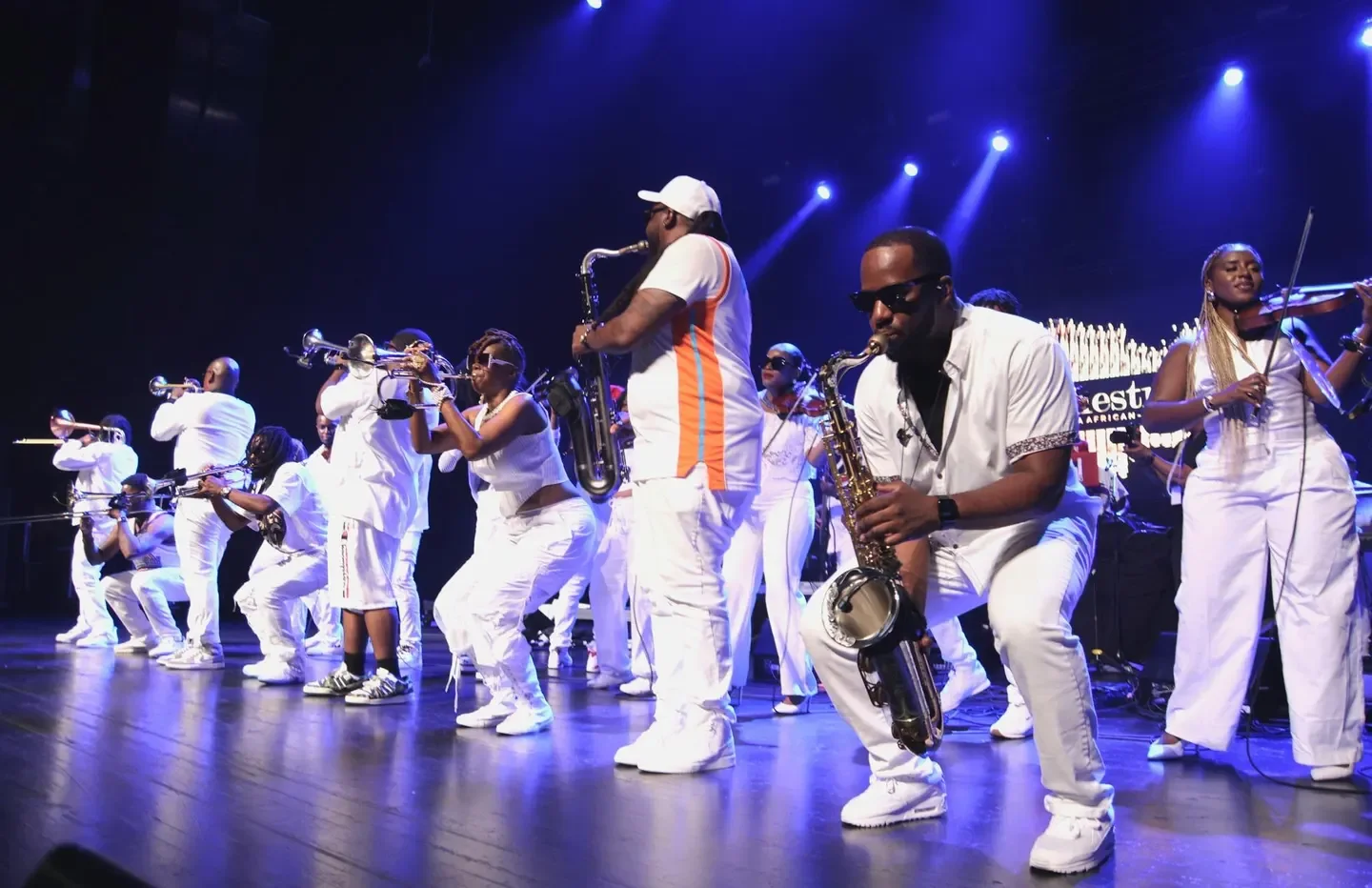
Musical performance at first Freedom Vibes festival in 2025. Philip Dunlap, courtesy of the National Juneteenth Museum.
When Federal troops arrived in Galveston, TX on June 19, 1865, they did so with the intent of enforcing the Emancipation Proclamation, not merely publicizing it. Texas was a long way from Washington, D.C. and still the frontier of America in the 1860s, but rest assured, news as significant as the Emancipation Proclamation would have spread there within two years.
Lincoln announced Emancipation Proclamation even earlier, on September 22, 1862.
Think about it.
Of course the enslaved people of Texas–to one degree or another–knew about their freedom. People talk. Word travels. Even then. Even among enslaved people denied education, news, and freedom of speech.
And of course the white slaveholders knew about the Proclamation as well. They read papers and traveled and talked.
The news existed, the Proclamation existed, what failed to exist in Texas for two-plus years was anyone to enforce it.
That is what Juneteenth commemorates.
The enforcement of freedom. Freedom realized.
One of many lessons the National Juneteenth Museum in Fort Worth intends to share when it opens in 2028.
“The enslaved people of Texas were fully aware of their emancipation with the passing of the Emancipation Proclamation,” Jarred Howard, CEO of the National Juneteenth Museum, told me in a phone interview. “For two and a half years they were unable to enjoy a liberty that the law provided for them, and so the celebration of the last Confederate state to emancipate their enslaved citizens is certainly one that's worthy of the books, hence the significance of Juneteenth.”
Even Howard had been wrongly led to believe the “learning about their freedom” Juneteenth myth before starting at the Museum.
“We put a great deal of effort and resources into making sure that what we present in terms of the Juneteenth story is accurate, and so it was during that work we discovered some of the things that we misunderstood before, not the least of which is (the Black residents of Texas) were fully aware of their emancipation, to be sure,” Howard explained. “Just another fact, on December 31, 1862, the enslaved people of Texas celebrated what was called Freedom's Eve. They went to a local black church and they were celebrating their imminent emancipation, which was due them, which they anticipated getting the next day, and that was the precursor to what still happens in Black churches across the country called Watch Night.”
Now you know.
Another piece of the American History puzzle put in place. A clearer, more accurate picture of the nation comes into view.
After debuting last year, the National Juneteenth Museum once again hosts its signature annual event, Freedom Vibes, a 10-day festival running June 11th through the 20th in Fort Worth featuring concerts, cultural demonstrations, art exhibitions, educational workshops, and more.
Part of the “more” includes performances by Black choirs, recognizing their essential role in Black communities today, but also harkening back to the first Watch Night. Fort Worth native and 20-time Grammy Award winner Kirk Franklin hosts Freedom Vibes’ free Celebration of Choirs on June 14.